On this page
How much pea gravel do I need?
You need the area × depth in cubic yards, then about 1.5 tons per cubic yard to turn that volume into the weight a landscape yard quotes. For 100 sq ft at 3 inches, that is 0.93 yd³, or about 1.4 tons.
Worked example: a 12 × 15 ft patio at 3 inches is 180 sq ft × 0.25 ft = 45 cubic feet. Divide by 27 and you get 1.67 yd³, or about 2.5 tons. In 0.5 cu ft bags, that is 90 bags.
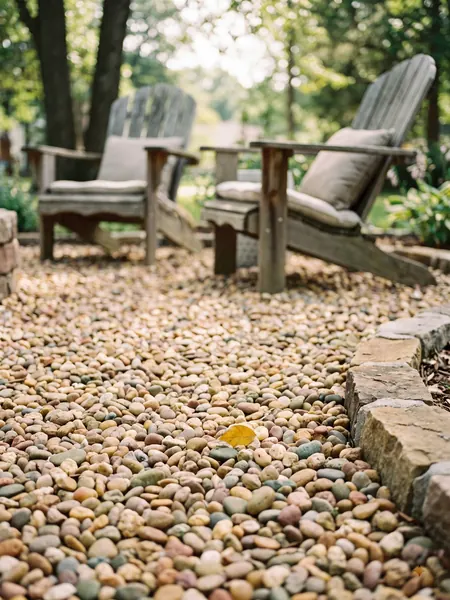
Pea gravel is a small, smooth, naturally rounded aggregate, usually around ⅜ inch in diameter, in mixed natural colors. It is sold loose by the ton or the cubic yard, and in bags at garden centers. Its weight changes with the stone and with moisture, which is why the calculator lets you pick it.
How the pea gravel calculator works
The pea gravel calculator applies the formula above in the same four steps a supplier uses to quote a load. Each step shows up in the "How we calculated this" panel, and in the PDF report, so you can check the math.
Step 1: Measure the area in square feet
Multiply length by width for a rectangle. For curves, circles and L-shaped beds, measure each piece in the square footage calculator and send the total back here. Add a few inches past the edging so the stone meets it cleanly.
Step 2: Choose the depth for the job
Depth drives the whole order. A walkway takes 2 in, a patio 3. A play area needs far more, because the stone is there to soften falls, not just to cover the ground. The table below gives each depth.
Step 3: Convert cubic yards to tons
Volume × density gives weight. Stone Center lists pea gravel at 1.4 to 1.6 tons per cubic yard of volume; the calculator uses 1.5 unless you pick light or heavy stone. Wet stone weighs more for the same volume, so a load bought by weight after rain holds a little less of it.
Step 4: Pick bags or bulk
The result lists both: bulk weight for delivery and 0.5 cu ft bags for small jobs. Enter your local prices and the cheaper option gets a "Best price" tag. The PDF report keeps the numbers for your supplier or your client.
Pea gravel depth by project
Use the depth for the job, not a single number for everything. Too thin and the fabric shows through; too thick and the stones roll underfoot.
| Project | Depth | Why |
|---|---|---|
| Walkway or gravel path | 2 in | Firm enough to walk on, over landscape fabric |
| Patio or seating area | 3 in | Covers the base without feeling loose |
| Decorative ground cover around beds | 2–3 in | Blocks light to weeds, lets water through |
| French drain or drainage trench | Fill the trench | Rounded stone around the pipe lets water flow |
| Play area under equipment | 12 in fill (9 in after settling) | CPSC: 9 in of pea gravel protects to a 5 ft fall height |
Playgrounds need depth
The CPSC Public Playground Safety Handbook rates this loose-fill surfacing at 9 inches for falls up to 5 feet. Loose fill compresses at least 25% over time, so the handbook suggests filling 12 inches to keep 9. For higher equipment, it lists other materials.
Pea gravel tons by area and depth
Coverage at 1.5 tons per cubic yard, the middle of Stone Center's 1.4 to 1.6 ton range. Bags are 0.5 cubic feet, rounded up.
| Area (sq ft) | 2 in | 3 in | 4 in | Cubic yards (3 in) | Bags (3 in) |
|---|---|---|---|---|---|
| 100 | 0.93 t | 1.39 t | 1.85 t | 0.93 yd³ | 50 |
| 250 | 2.31 t | 3.47 t | 4.63 t | 2.31 yd³ | 125 |
| 500 | 4.63 t | 6.94 t | 9.26 t | 4.63 yd³ | 250 |
| 1,000 | 9.26 t | 13.89 t | 18.52 t | 9.26 yd³ | 500 |
| 2,000 | 18.52 t | 27.78 t | 37.04 t | 18.52 yd³ | 1000 |
Pea gravel in cubic yards vs tons
Suppliers quote it either way, so compare prices in the same unit. One cubic yard is 27 cubic feet. At 1.5 tons per yard, one ton is about 0.67 yd³, or 18 cubic feet of volume.
The weight per yard is the density of the aggregate, and it varies: Stone Center gives 1.4 for lighter stone and 1.6 for heavier or wet stone. Ask your supplier which figure they use and type it in: the calculator follows it.
At that density, a 0.5 cu ft bag weighs about 55 lb. That matters when you plan how many bags fit in a car.
Bags or bulk delivery?
Bagged
Best under about one cubic yard (54 bags of 0.5 cu ft): small beds, containers, a short path. No delivery fee, easy to carry, but more expensive per ton.
Bulk
Best past one cubic yard. Sold by the ton or the yard and tipped from a dump truck onto your driveway. Ask about the minimum order and the delivery fee, and put a tarp down first.
Pea gravel cost
Price depends on your region, the stone and the delivery distance, so the calculator does not guess it. Enter your supplier's bulk and bag prices. It multiplies each by the quantity you need and shows the total for both, with the cheaper one highlighted.
Add delivery to bulk before you compare. A small bulk load with a flat delivery fee can cost more than bags; a large one almost never does.
Pea gravel vs crushed stone and river rock
Pea gravel
Small and rounded. Comfortable underfoot, drains fast, but it doesn't lock together. Paths, patios, play areas, drainage around beds.
Crushed stone
Angular construction aggregate that compacts into a firm layer. The choice for driveways and for the base under pavers. See the crushed stone calculator.
River rock
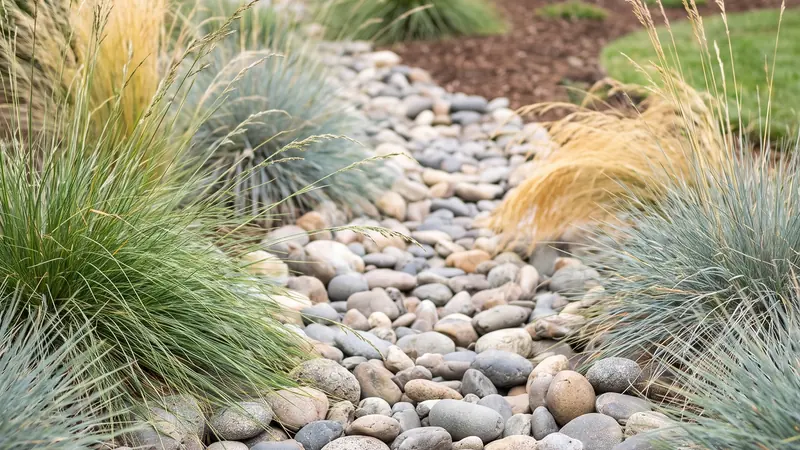
Larger rounded stones for borders and dry creek beds. Too rolly to walk on. See the river rock calculator.
Not for driving
Rounded stones scatter under tires. For a gravel driveway, use the gravel driveway calculator.
Edge it and lay fabric first
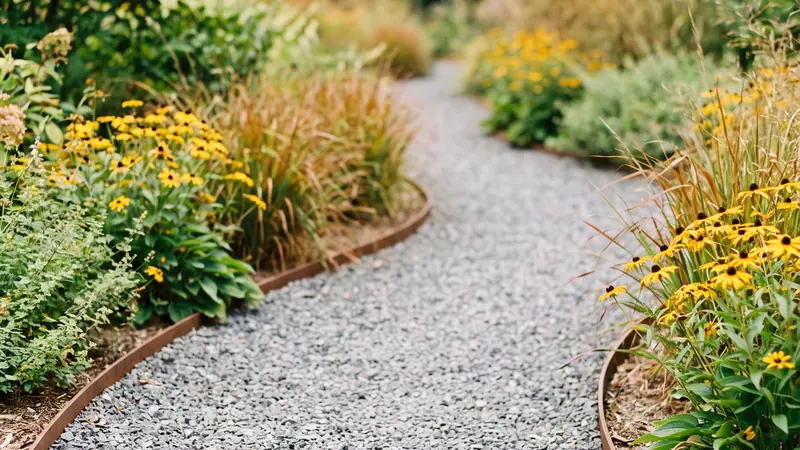
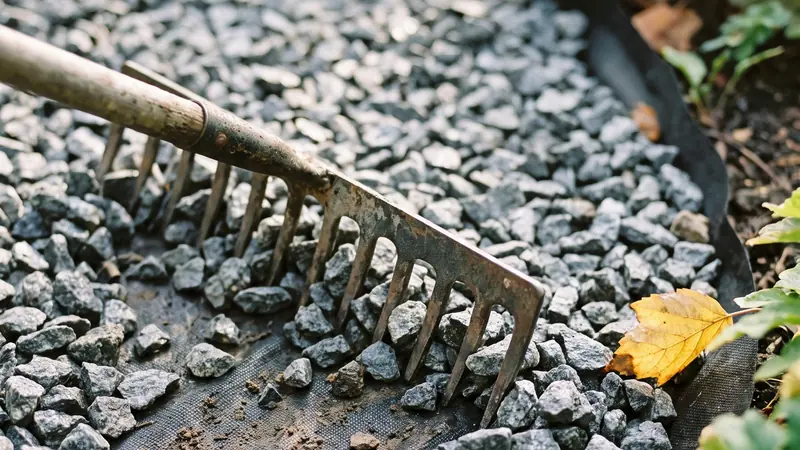
Loose, rounded stone migrates into lawns and beds within a season without a solid edge. Put in steel, stone or timber edging and landscape fabric before you spread it, and add the edging to your shopping list.
Before you order pea gravel
Measure the area, pick the depth for the job, and let the pea gravel calculator turn it into tons, cubic yards and bags. Confirm the weight per yard with your supplier, compare bag and bulk prices with delivery included, and download the PDF report to take with you.
Frequently asked questions
How much pea gravel do I need?
Multiply square feet by depth in inches, divide by 12 for cubic feet, then by 27 for cubic yards, and multiply by about 1.5 for the weight. A 12 × 15 ft patio at 3 in takes 1.67 yd³.
How many tons of pea gravel are in a cubic yard?
1.4 to 1.6, according to Stone Center, depending on the stone and how wet it is. The calculator uses 1.5 and lets you change it to your supplier's figure.
How much area does a ton cover?
At 2 in deep, one ton covers about 108 sq ft (at 1.5 per cubic yard). At 3 in it covers about 72 sq ft, and at 4 in about 54 sq ft.
How many bags make a cubic yard?
A cubic yard is 27 cubic feet, so it takes 54 bags of 0.5 cubic feet. Past about one cubic yard, bulk delivery is usually the cheaper way to buy.
How deep should pea gravel be for a walkway?
About 2 in over landscape fabric for a walkway, and 3 in for a patio or seating area. Deeper than that and the stones shift underfoot.
Is the pea gravel calculator accurate for play areas?
Yes, if you enter the fill depth. The CPSC Public Playground Safety Handbook rates 9 inches of it for falls up to 5 feet and says loose fill compresses at least 25%, so it suggests filling 12 inches.
Can I use it on a driveway?
Not on its own. The round stones roll under tires and never lock together. Use crushed stone for a driving surface, or hold the stones in a stabilizer grid.
Sources