On this page
- How much soil do I need?
- How to use the soil calculator
- Soil volume by bed size and depth
- How deep should garden soil be?
- Bags of soil per cubic yard
- Which soil to buy
- How much does a cubic yard of soil weigh?
- Soil for pots, planters and containers
- Soil mixes for raised beds
- Soil cost
- Common soil mistakes
- Before you order soil
- Frequently asked questions
How much soil do I need?
Filling a bed uses the same volume math as mulch: area × depth ÷ 27 = cubic yards. The numbers just get bigger, because soil goes in deep. An 8 × 4 ft bed filled 12 inches deep needs about 1.2 cubic yards.
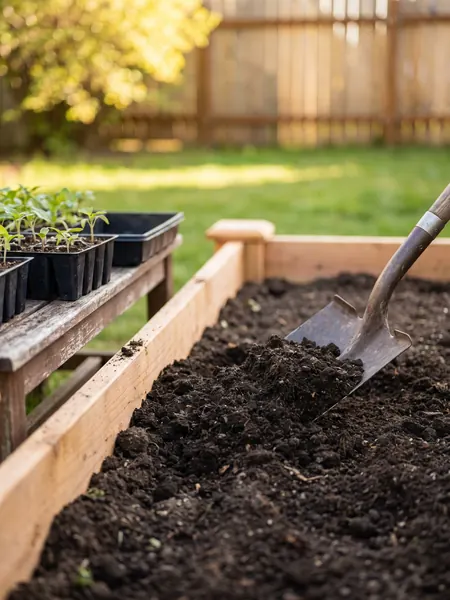
For example, an 8×4 ft bed filled 12 inches deep needs 32 cubic feet: about 1.2 cubic yards, or 22 bags of 1.5 cu ft. Soil, sometimes called dirt, is a bulk material sold by the cubic yard. Round up, because it settles after the first waterings.
How to use the soil calculator
It works for a garden bed, a raised bed or a planter. It returns cubic feet, cubic yards and bags, and compares the cost of bags with bulk delivery. The "How we calculated this" panel shows each step, and the PDF report keeps them.
Step 1: Enter the size of the bed
Type the length and width in feet. For a round planter, work out π × radius² and choose "I know the sq ft". For an odd-shaped bed, add the pieces in the square footage calculator first.
Step 2: Choose the fill depth
Pick 2 to 12 inches. New beds need the full root depth. Topping up an existing bed needs only a few inches. The table below gives the depth crops need.
Step 3: Compare bags and bulk
Enter the price of a 1.5 cubic foot bag and the bulk price per cubic yard. The result shows both totals and marks the cheaper way to buy.
Filling several raised beds with a topsoil and compost mix? The raised bed calculator splits the recipe for you.
Raised bed calculatorSoil volume by bed size and depth
| Bed size (sq ft) | 4 in deep | 6 in deep | 12 in deep | Bags (12 in) |
|---|---|---|---|---|
| 16 (4×4) | 0.20 yd³ | 0.30 yd³ | 0.59 yd³ | 11 bags |
| 32 (8×4) | 0.40 yd³ | 0.59 yd³ | 1.19 yd³ | 22 bags |
| 48 (12×4) | 0.59 yd³ | 0.89 yd³ | 1.78 yd³ | 32 bags |
| 64 (8×8) | 0.79 yd³ | 1.19 yd³ | 2.37 yd³ | 43 bags |
| 100 (10×10) | 1.23 yd³ | 1.85 yd³ | 3.70 yd³ | 67 bags |
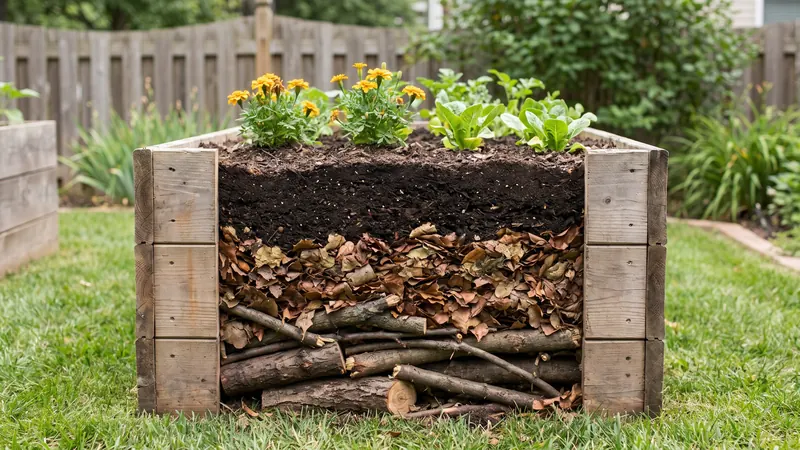
The soil mix, the depth your crops need, and what can go in the bottom.
Read the guideHow deep should garden soil be?
Enough depth ensures healthy root growth. The University of Maryland Extension gives the minimum soil depth by crop.
| Crop | Minimum soil depth |
|---|---|
| Leafy greens, beans, cucumbers | 8 in |
| Peppers, tomatoes, squash | 12–24 in |
Bags of soil per cubic yard
Bagged soil is labeled by volume, so read the cubic feet on the bag. Eartheasy lists a small bag of about 40 lb as roughly 0.75 cubic feet, and denser topsoil weighs more for the same volume.
| Bag size | Bags per cubic yard | Bags for a 32 cu ft bed |
|---|---|---|
| 0.75 cu ft | 36 | 43 |
| 1 cu ft | 27 | 32 |
| 1.5 cu ft | 18 | 22 |
| 2 cu ft | 14 | 16 |
Which soil to buy
Garden soil / bed mix
Topsoil blended with compost for planting. It fills the root zone of a bed.
Topsoil
Screened native soil, usually the cheapest. Good for filling and leveling; mix it with compost for beds. See the topsoil calculator.
Compost
Organic matter that feeds the soil. Too light to use alone. See the compost calculator.
Potting mix
Soilless and light, made for containers. Too expensive to fill big beds with.
How much does a cubic yard of soil weigh?
Weight equals volume times density. Inch Calculator says one yard of dry or loose soil weighs about 1.3 tons and one yard of wet or compacted soil about 1.7 tons. In metric, one cubic yard is 0.765 cubic meters (NIST).
Soil for pots, planters and containers
A round pot holds π × radius² × depth. A 16 inch pot filled 14 inches deep holds about 1.6 cubic feet. Gardener's Supply says the soil should reach within an inch or so of the rim, and that you can top it off with fresh potting mix after a season as it settles.
Soil mixes for raised beds
Gardener's Supply recommends 60 percent topsoil, 30 percent compost and 10 percent soilless potting mix for most raised beds. If you lack good topsoil, a 50-50 blend of soilless growing mix and compost works. The University of Maryland Extension suggests compost and topsoil at 1:2 or 1:1.
Soil cost
Enter your bag price and your bulk price per cubic yard. The tool multiplies each by the quantity, so you can compare them for your own beds. Add delivery to the bulk price before you compare.
Common soil mistakes
- Not allowing for settling. Fresh soil sinks. Order a little extra or keep a bag for topping up.
- Mixing up the units. Keep length, width and depth in the same unit, or convert the depth from inches to feet.
- Using potting mix for big beds. It is light and costly. Blend topsoil and compost instead.
- Buying by weight after rain. Wet soil weighs more, so you get less volume for the same tons.
Before you order soil
Measure the bed, pick the depth for what you will plant, and let the soil calculator turn it into bags and cubic yards. Compare the bag and bulk totals with delivery included, keep a spare bag for settling, and download the PDF report.
Frequently asked questions
How deep should soil be for a garden bed?
The University of Maryland Extension recommends at least 8 inches for leafy greens, beans and cucumbers, and 12 to 24 inches for peppers, tomatoes and squash.
How much does a bag of garden soil cover?
A 1.5 cubic foot bag covers about 4.5 square feet at 4 inches deep, or 1.5 square feet at 12 inches.
How many bags of soil are in a cubic yard?
A cubic yard is 27 cubic feet: 36 bags of 0.75 cu ft, 27 bags of 1 cu ft, 18 bags of 1.5 cu ft or about 14 bags of 2 cu ft. Go by the cubic feet printed on the bag, not the weight.
How much does a cubic yard of soil weigh?
Inch Calculator puts dry or loose soil at about 1.3 tons per cubic yard and wet or compacted soil at about 1.7 tons. The weight changes with moisture, so check with your supplier if you buy by the ton.
Is the soil calculator accurate for round planters and pots?
Yes. Work out the area first with π × radius² (a 16 inch pot is about 1.4 sq ft), choose "I know the sq ft", and enter the fill depth. Fill a pot or planter to within an inch or so of the rim, as Gardener's Supply advises.
Should I buy soil in bags or in bulk?
Under about one cubic yard, bags are easiest. Past one yard, bulk delivery is usually cheaper per cubic foot, as Eartheasy notes. Enter both prices and the calculator picks the cheaper option.
Sources
- University of Maryland Extension: Soil to Fill Raised Beds
- Inch Calculator: soil volume, weight and bag sizes
- Eartheasy: Soil for Raised Beds, Pots and Planters (mixes and bag sizes)
- Gardener's Supply: garden soil amounts and the raised bed soil recipe
- NIST Handbook 44 (2026), Appendix C: General Tables of Units of Measurement